MALE SEXUALITY Get the book
Now on Google Play Books A Sexual Medicine Perspective

MaleSexuality

Body·Mind·Desire·Relationship

Most of the time the problem is not where men look for it. It is behind the curtain.

A urologist's complete guide to erections, ejaculation, desire and the couple: written in the language of the consulting room, checked against current medical guidelines, and honest about what the evidence can and cannot tell us.

  • 800 pages
  • 32 chapters
  • 900+ references
Includes the AI Book Assistant An access code is printed in every copy: ask up to 150 questions, answered from the book, with no time limit.
MS-••••-••••-••••
Try it free
32Chapters
~800Pages
900+References
50Original figures
“
Doctor, if I can't even have that, what's left to live for?

I have heard this sentence in my consulting room more times than I can count: from a twenty-year-old college student and from a retired grandfather, from a university professor and from a construction worker. Whatever world he comes from, a man with an erection or ejaculation problem describes the same helplessness in almost the same words.

For more than twenty years I have sat across from these men as a urologist. The most important thing I have learned is this: most of the time the problem is not inside the penis, it is behind the curtain. A human being's real sexual organ is the brain. This book was written to draw that curtain back.

From the Preface

What's inside

Five parts, one complete picture

From anatomy and hormones to the couple in the bedroom. Each chapter ends with key takeaways, and clinical note boxes give physicians and therapists the detail they need.

Part One 8 chapters

Foundations

Anatomy, hormones, the mind and the sexual response cycle.

Chapters
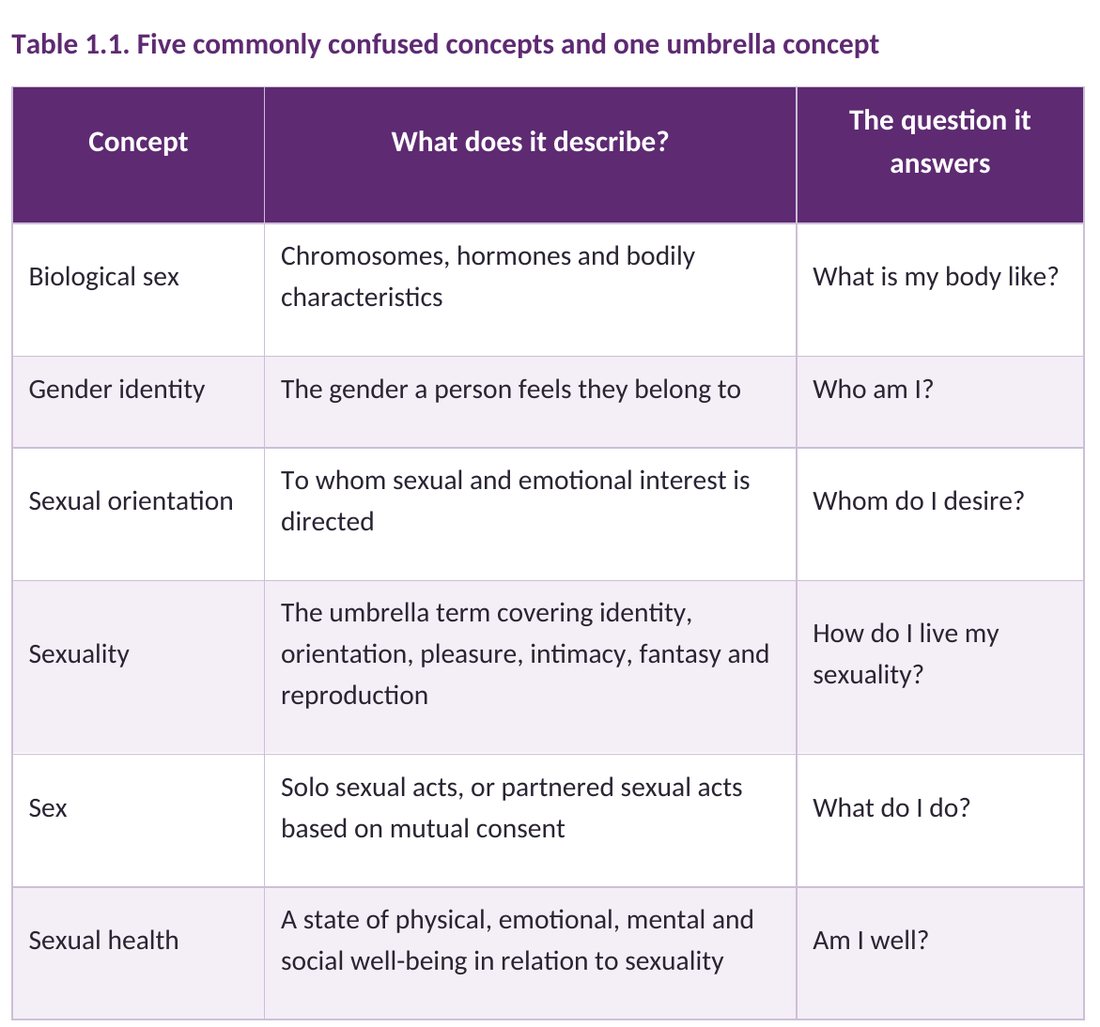
  1. Principles of Sexual Medicine: Biological Sex, Sexuality and Sex
  2. The Ancient Secrets of Sexuality
  3. Penile Anatomy and the Physiology of Erection
  4. Types of Erection and the Sexual Response Cycle
  5. The Biochemistry of Sex and the Hormones of Sexuality
  6. The Neuropsychology of Erection
  7. Male Psychosexual Development
  8. Differences in the Sexual Cycle of Women and Men
Part Two 7 chapters

Erection Problems

Diagnosis, organic and psychogenic causes, and every treatment option.

Chapters
  1. An Overview of Male Sexual Dysfunctions
  2. Sexual History, Diagnosis and Assessment
  3. Organic Causes of Erectile Dysfunction
  4. Psychogenic Erectile Dysfunction and Performance Anxiety
  5. Medical Treatments for Erectile Dysfunction
  6. Restorative Treatments and the Penile Prosthesis
  7. Sex Therapy and Behavioral Practices
Part Three 5 chapters

Ejaculation and Orgasm

Premature and delayed ejaculation, the partner, and step-by-step treatment.

Chapters
  1. Ejaculation and Orgasm in Men
  2. Premature Ejaculation: Definition, Classification and Causes
  3. The Partner and Relationship Dimension of Premature Ejaculation
  4. Premature Ejaculation: Treatment Plan and Behavioral Exercises
  5. Delayed Ejaculation and Other Ejaculation Disorders
Part Four 9 chapters

Desire, Body and Behavior

Low desire, myths, pornography, penis size, compulsivity and sexual diversity.

Chapters
  1. Low Sexual Desire in Men
  2. Myths About Male Sexuality
  3. Masturbation and Idiosyncratic Masturbation
  4. Oral Sex and Anal Sex
  5. The Obsession with Penis Size
  6. Pornography and Sexual Life
  7. Sexual Aversion and Avoidance
  8. High Sexual Desire and Compulsive Sexual Behavior
  9. Paraphilias, Fetishes and Sexual Diversity
Part Five 3 chapters

Easily Overlooked

The pelvic floor, unusual conditions and the partner's role.

Chapters
  1. The Pelvic Floor and Male Sexuality
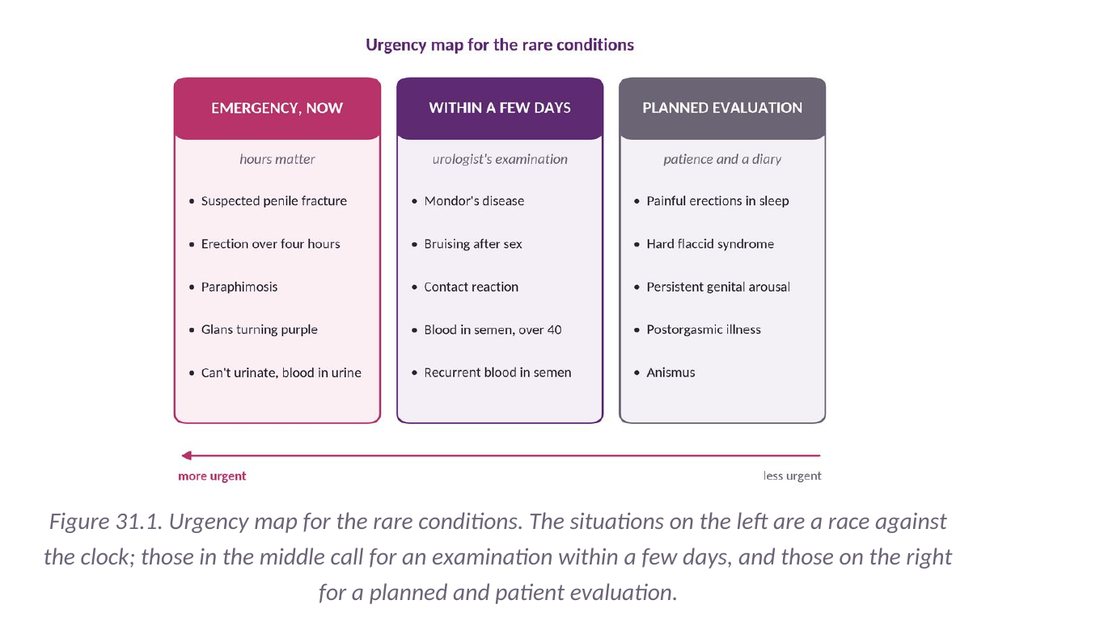
  2. Rare and Unusual Sexual Conditions
  3. The Partner's Role in Female Sexual Dysfunction

Plus two appendices: validated scales (IIEF-5, Erection Hardness Score, PEDT) and a glossary of terms.

Inside the pages

Built to be read, and to be used

Every chapter works in layers: the main text for every reader, colored boxes for what you should not miss, and original figures and tables that make the physiology visible.

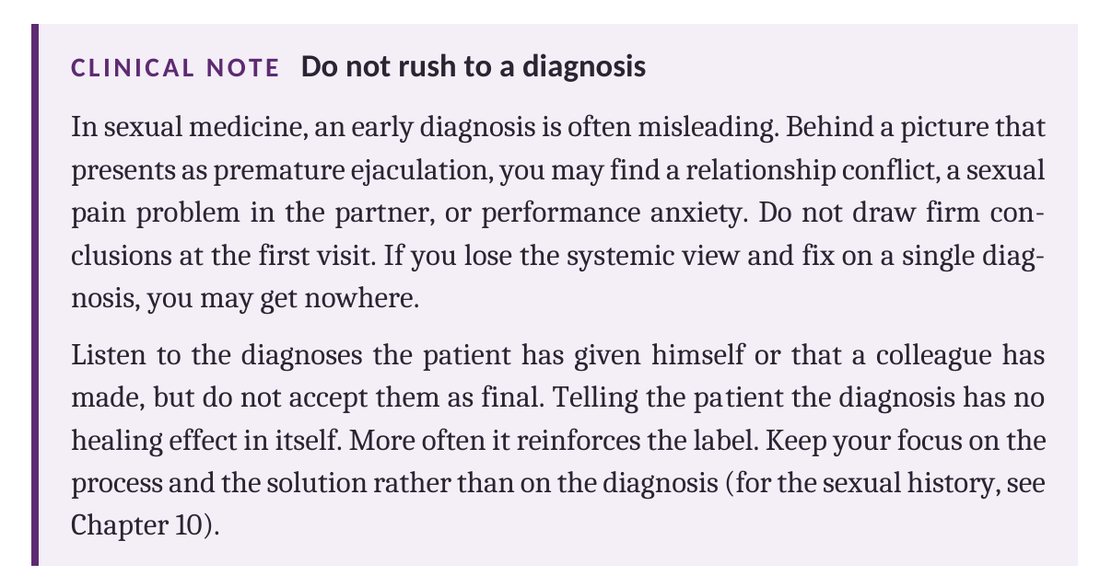
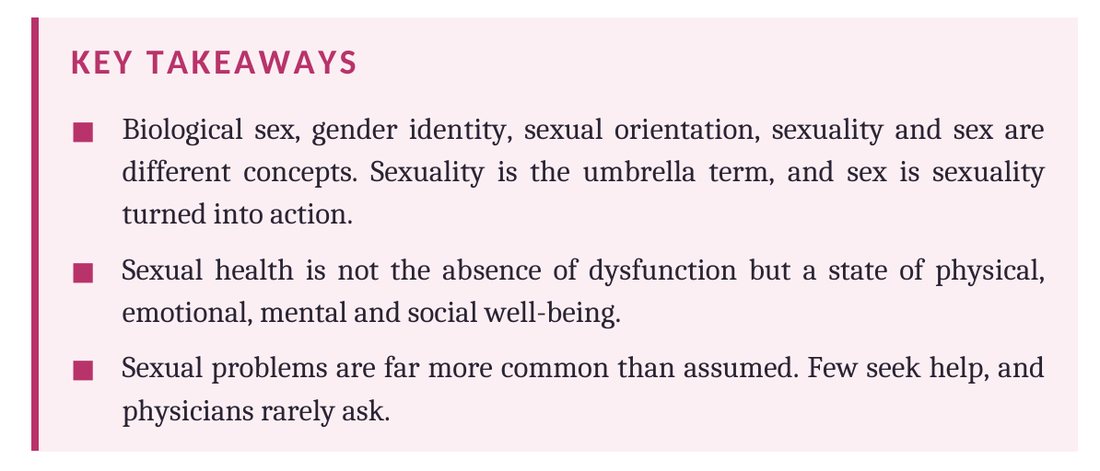
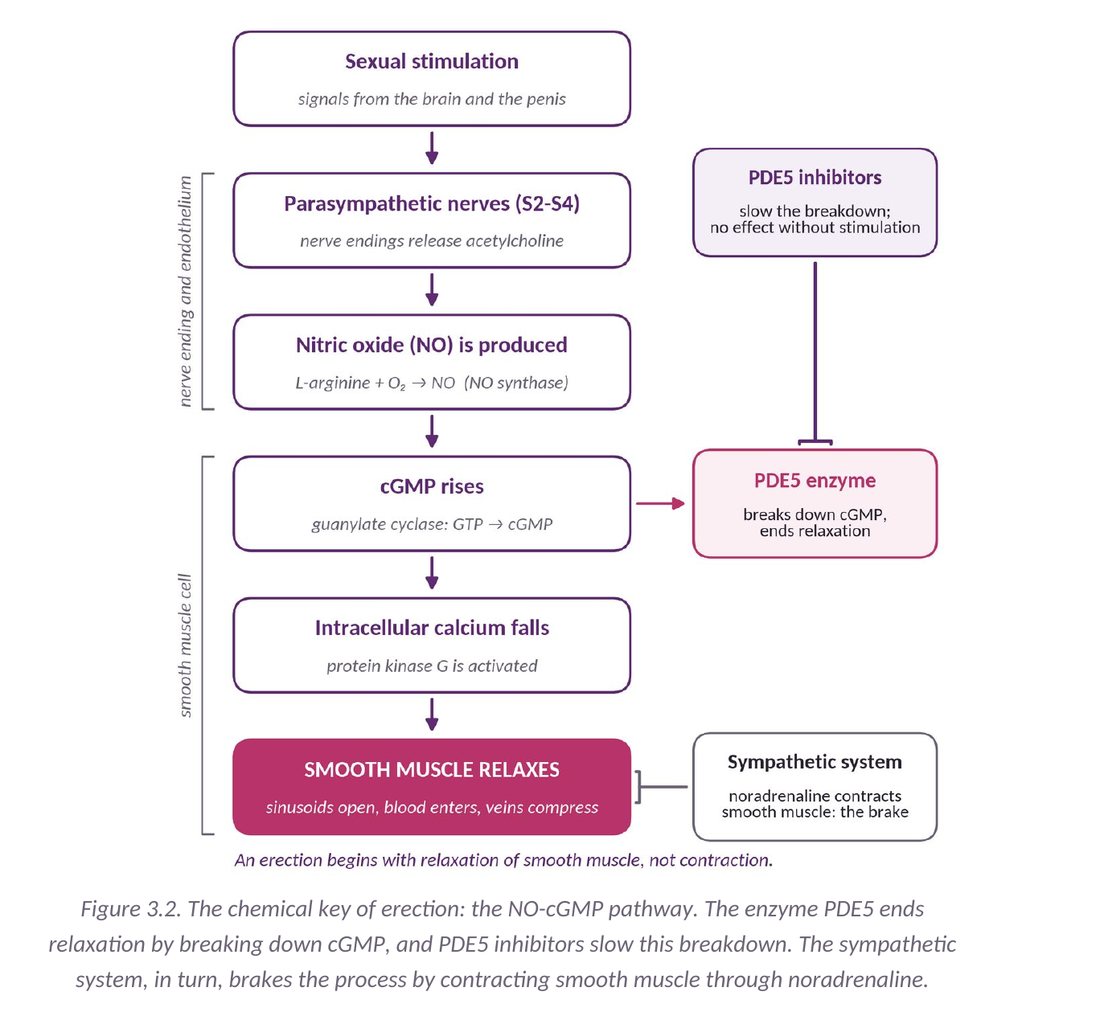
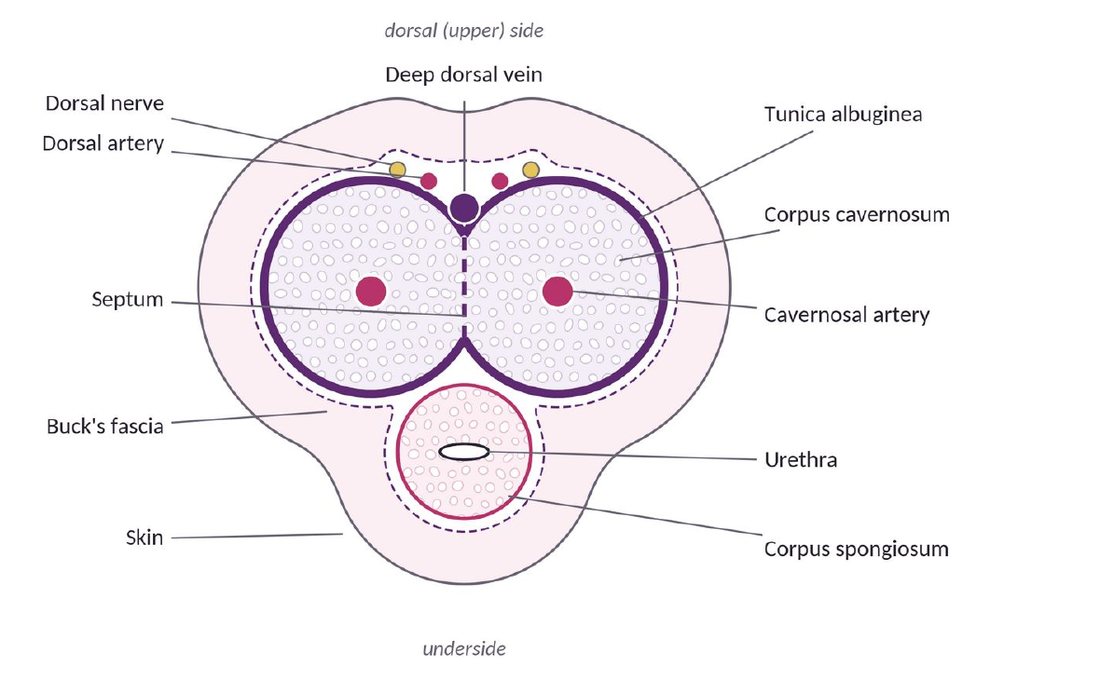
Clinical Note box from Chapter 1: Do not rush to a diagnosis Key Takeaways box at the end of Chapter 1 Figure 3.2: the NO-cGMP pathway of erection Figure 3.1: cross-section of the penis Table 1.1: five commonly confused concepts and one umbrella concept Figure 31.1: urgency map for the rare conditions

Clinical Note · Chapter 1

Actual pages from the eBook. You can also read a free preview on Google Books before you buy.

Written for two readers

One book, two depths of reading

For curious readers and couples

The main text is for anyone who wants to understand male sexuality: the man living with a problem, the partner beside him, the reader who simply wants reliable information.

  • Medical terms explained the first time they appear
  • Real consulting-room questions, answered plainly
  • Key takeaways at the end of every chapter

For clinicians and therapists

Clinical note boxes give physicians, psychologists and sex therapists diagnostic criteria, scales, treatment decisions and the pitfalls to watch for.

  • Evidence labeled by strength: guideline, emerging, clinical observation, interpretation
  • 900+ references at the end of the chapters
  • Ready-to-use metaphors for patient conversations
Three messages

What I want every reader to take away

You are not alone

Almost everyone with a sexual problem believes everybody else is having flawless sex. The truth is the exact opposite, and none of it makes you worth any less.

There is hope, without false promises

There is no perfect treatment in sexual medicine. But for every man and every couple there is a best and most direct way out.

Read it for yourself first

Sexuality is not a detail at the margins of life. It is an energy at the center of our physical and mental health.

Free tool

Free testosterone calculator

Total testosterone does not tell the whole story. Enter your lab values to estimate free and bioavailable testosterone with the Vermeulen method, the calculation used in the book.

nmol/L
g/dL
years
Applies to me (optional)

Please enter total testosterone and SHBG as positive numbers.

0Free T, ng/dL
0Free T, pg/mL
0Free T, % of total
0Bioavailable T, ng/dL

Free testosterone and SHBG are explained in Chapter 5, The Biochemistry of Sex and the Hormones of Sexuality.

For information only. This estimate does not diagnose or rule out testosterone deficiency; the result depends on the laboratory method, the time of the blood test and your symptoms. Guideline cut-offs for free testosterone range from about 6.3 to 7.2 ng/dL (220 to 250 pmol/L; ISSAM, EAU, EMAS). In the European Male Ageing Study, sexual symptoms became more frequent as free testosterone fell from about 8.1 to 4.6 ng/dL (280 to 160 pmol/L). Nothing you enter here leaves your device.

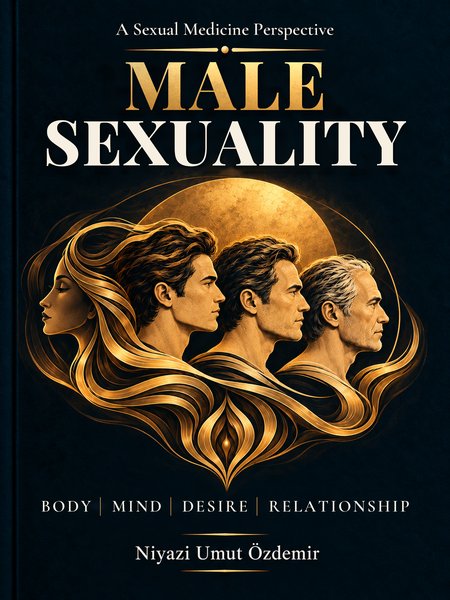
Read the cover

What do you see?

The cover was designed to be read, not just looked at. Every reader sees a different story on the cover. We would like to hear how you read it.

Front cover of Male Sexuality: A Sexual Medicine Perspective

Hover over the cover to look closer.

What is this cover trying to say, and what does it make you think about?

There is no right answer. Look at the faces, the gold, the shapes and what sits at the center, and tell us what you see in it. Some of the readings will be published on this page.

The author's own reading of the cover will be shared here soon.

0 / 600

We do not ask for your email. Please do not include health details or anything that identifies you or someone else. Every reading is reviewed by hand, and not every reading is published.

Thank you.Your reading has reached us. If it is selected, it will appear on this page.
Readers' readings

How you read the cover

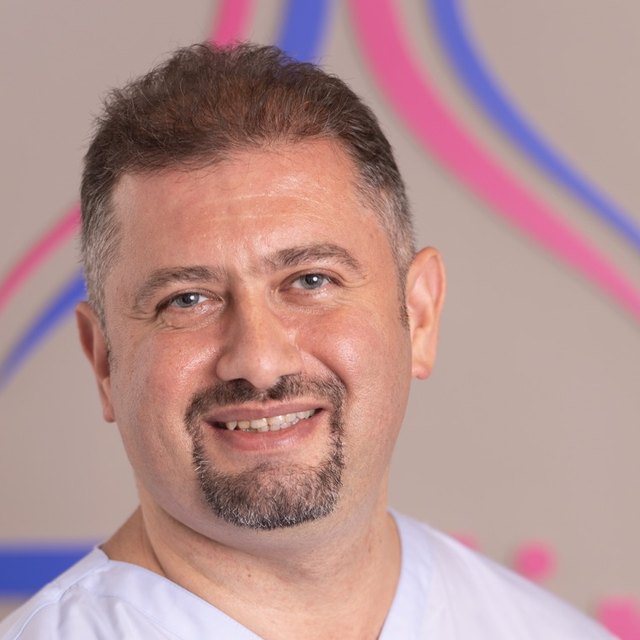
Portrait of Niyazi Umut Özdemir, MD
About the author

Niyazi Umut Özdemir, MD

Urologist

Dr. Özdemir is a urologist practicing in Antalya, Türkiye. He graduated from Ege University School of Medicine, completed his specialty training in urology at Ege University in 2005 and holds the board certification of the Turkish Urological Association (2006). For more than twenty years his clinical work has centered on men's sexual and reproductive health.

He is the co-author of two earlier Turkish books on male sexuality and premature ejaculation, and has taught sexual medicine to physicians and therapists. This book brings that work together, rewritten from the ground up and checked against current guidelines.

For questions about the book: info@uzclinic.com. No medical advice is given and no patients are accepted through this address.

Questions

Before you read

Who is this book for?

For men who want to understand their own sexuality or a problem they are living with, for their partners, and for physicians, psychologists and sex therapists. The main text is written for general readers; clinical note boxes carry the professional detail, and general readers can skip them without losing the thread.

Does the book replace a visit to a doctor?

No. It is written to inform, not to make a personal diagnosis. Starting, stopping or changing a medication are decisions to make together with your physician. The doses and protocols in the clinical note boxes are for health professionals.

What is the AI Book Assistant?

An access code is printed on the last page of every copy. Enter it on the Book Assistant page to ask up to 150 questions on your device, with no time limit; answers come from the book and show you which chapter covers your question. Without a code you can try three questions for free. The assistant gives general information and does not replace an examination.

Why is there a 150-question limit?

The limit protects the service and keeps it fair for every reader. Because the same code is printed in every copy, it also prevents a shared or published code from being misused. 150 questions is far more than most readers need, and there is no time limit on them.

How can I read it?

The book is available as an eBook on Google Play Books, where you can also read a free sample before you buy. You can read it on your phone, tablet or computer with the free Google Play Books app or in a web browser.

800 pages sounds like a lot. Do I have to read it all?

No. Each of the 32 chapters can be read on its own, so you can start with the one that matches your question. The table of contents and the search in the Google Play Books app take you there quickly, and the AI Book Assistant can point you to the right chapter. The clinical note boxes written for health professionals are set apart from the main text, so general readers can skip them.

Is the English edition a direct translation?

It is an adaptation of the Turkish original. The medical content is the same, while examples and expressions have been adapted for English-speaking readers.

Is the content explicit?

The book speaks openly and clinically about sexual function, behavior and problems, as a sexual medicine text must. It contains no erotic material or explicit imagery and is intended for adult readers.

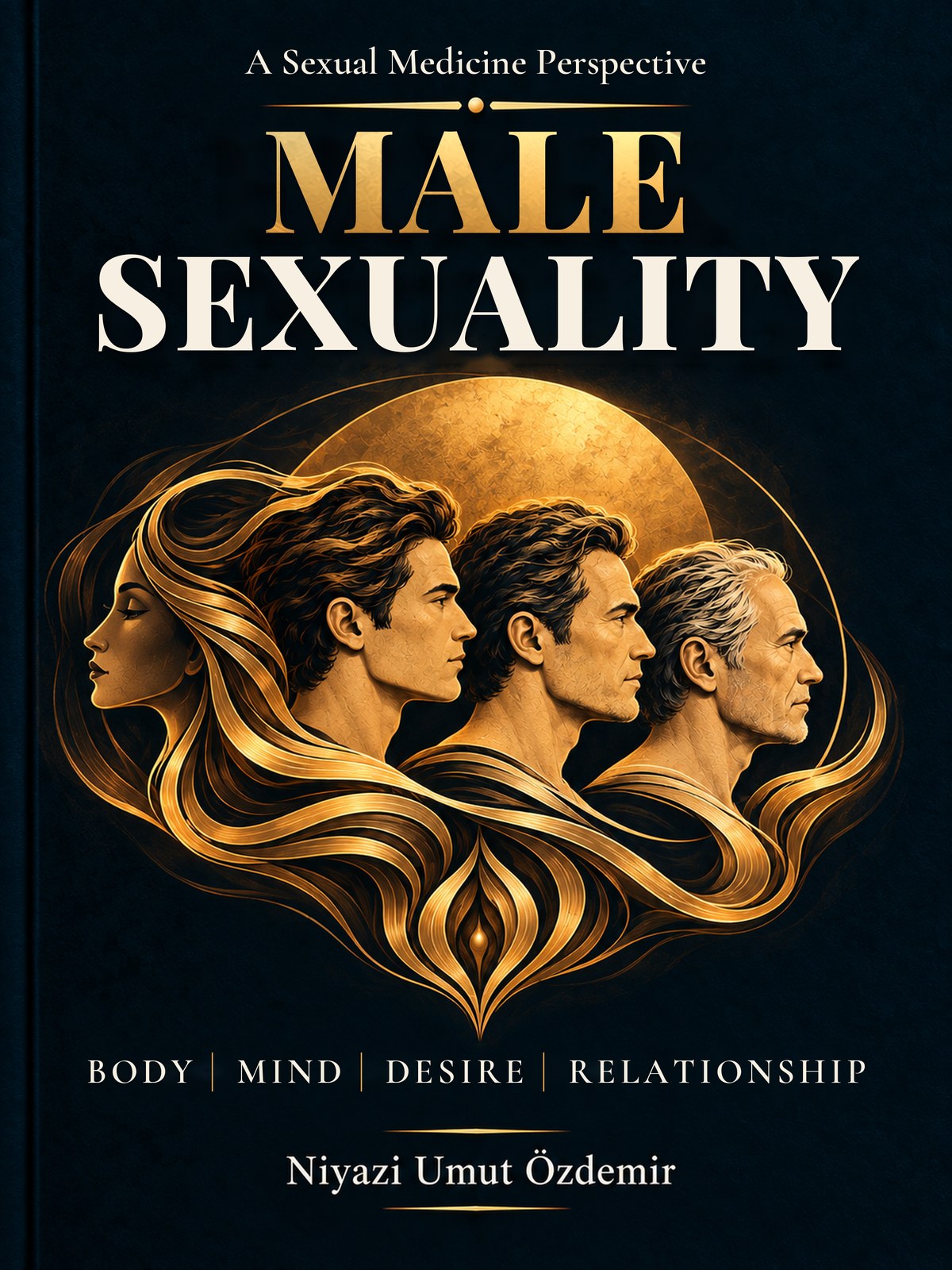
Cover of Male Sexuality: A Sexual Medicine Perspective Now let us draw back the curtain together

Male Sexuality: A Sexual Medicine Perspective